 Being in New York City for work from time to time, I’ve often taken advantage of the ability to score great seats for Broadway shows when buying only one, and this time I scored a seat in the front row of the center orchestra, the day after Penn & Teller on Broadway opened at the Marquis Theater in Times Square. Though I assumed I’d have a good time, my evening turned into an unexpected tale of the kind I like most: one that is fun, and just a little bit left of normal. Read More
Category: Interests
Replacing Pickups in a Guild Nightbird
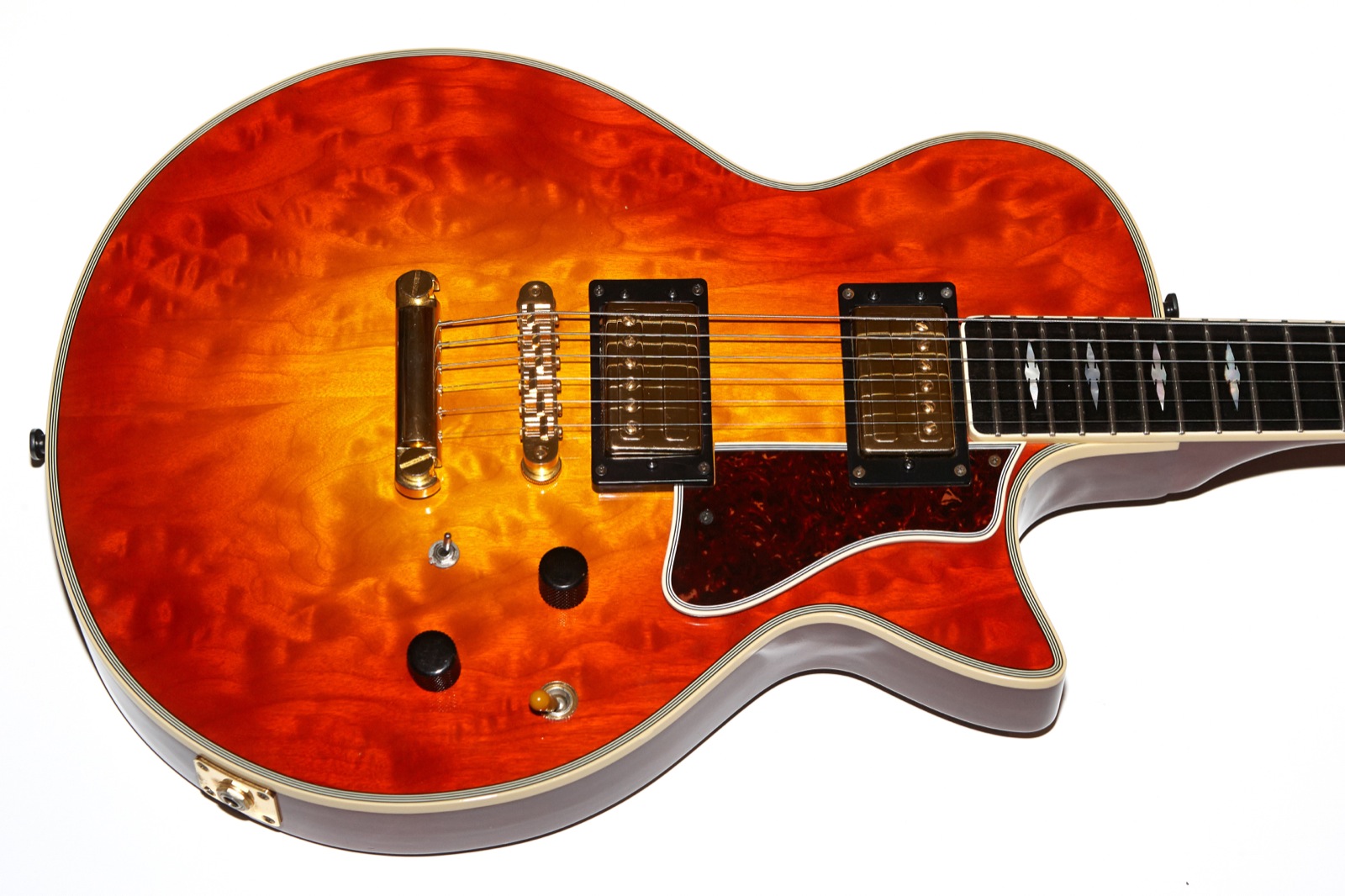 I was given the unique opportunity to replace the pickups in a Guild Nightbird. This guitar came with Fender HB1 pickups but the owner had managed to get some NOS Guild HB1 pickups in matching gold from the world’s finest purveyor of hard-to-find Guild parts, Hans Moust. When asked if I would do the work to replace them, I jumped at the chance since I love Guilds, I love HB1 pickups, and this guitar was one that I used to own. Not only is this a beautiful guitar (that I was foolish enough to sell), but I knew that it would go from amazing to freaking amazing with the inclusion of Guild HB1s.
The Guild Nightbird is a very cool guitar. Yes, it looks like a Les Paul, but it’s hollow with a very unique internal design which makes for a wonderful sound. The problem with Nightbirds is that they usually shipped with Ken Armstrong or EMG pickups which don’t hold a candle to the vintage Guild HB1s in my opinion. I originally bought this guitar because of the lure of real HB1s in a Nightbird, only to be disappointed when I opened it up and found Fender HB1s. I then sold the guitar, after which it was sold again to the guy who I originally bought it from, who then contacted me to see if I would do the work to upgrade the pickups. We Guild collectors tend to work together, so this bit of provenance is only slightly unusual. Read More
Guild Pickup Wiring
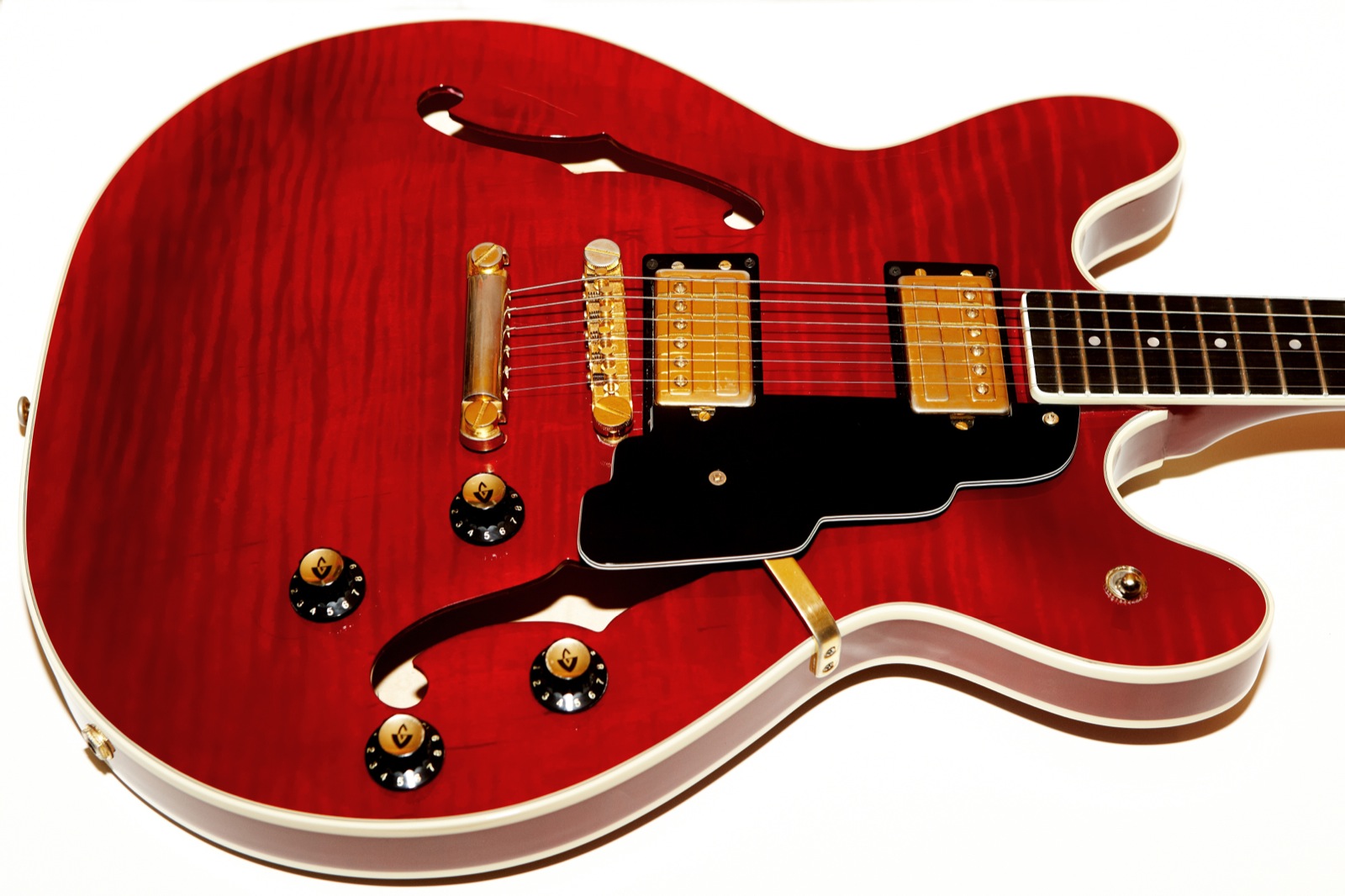 I’ve owned many Guild guitars, and due to the fact that I have a soldering iron and I’m not afraid to use it, I’ve learned a fair bit about various Guild pickups and their wiring. Since there seems to be little information on the Internet about this topic, I decided to write up what I have discovered.
Though I’ve covered the cosmetic and size differences of the various full-sized Guild HB1 pickups in my article entitled Guild Full-Sized HB1 and SD1 Pickup Variations, this article will cover the wiring of the pickups as opposed to the means of identifying them.
There are many different Guild guitars, and there are almost as many wiring schemes. Instead of covering each scheme here, I’ll describe the pickups themselves, and how they might be wired into any guitar. Other articles, such as The Fascinating Guild S-200 Thunderbird and Replacing Pickups in a Guild Nightbird will cover wiring specific to those guitars. Read More
The Fascinating Guild S-200 Thunderbird
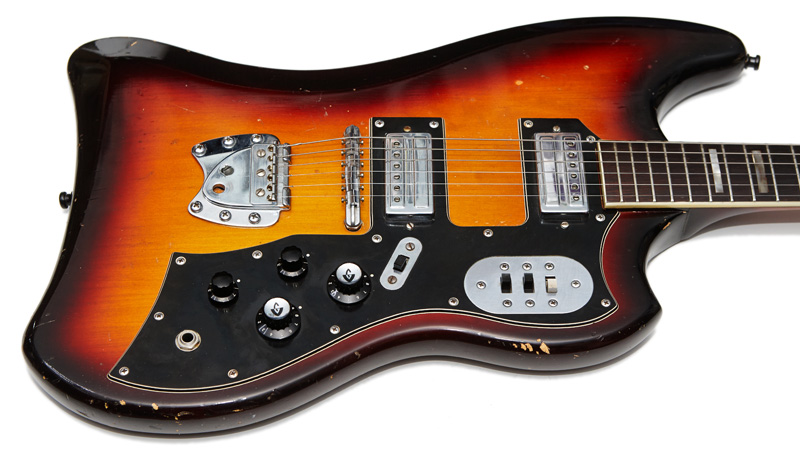 I’ve never been a huge fan of the Guild S-200 Thunderbird because (hang on to your hats Guild fans), I think they’re goofy looking. They’re nicknamed “Gumby” for a reason, after all. I’m not without my fair share of curiosity, and I’m always willing to be proven wrong, so when a fellow LetsTalkGuild member asked me to work on his, I jumped at the chance. This particular specimen was certainly not mint, but it was structurally sound and played fine with one minor problem – two of the control pots were either dirty or had failed. Since I apparently have a reputation of caring about my work and not being “just some guy”, I was given the opportunity to fix a guitar that was nearly as old as me. My price? The ability to fondle the guitar and write this article based on my discoveries. Read on to discover how my opinion of this Guild classic went from goofy to fascinating.
If you’re looking for the Newark St. S200 T-Bird, check out my review here.
Image of a Hero
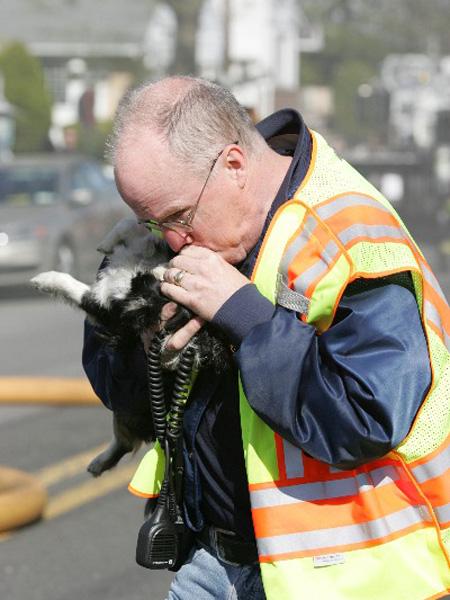 This picture is of my friend, Mike Stevens. Mike has worked tirelessly for decades as an Emergency Medical Technician (EMT). He has regaled me with stories both heartwarming and horrifying over the years, but somehow when I saw this picture on Facebook, I got a sudden, clear image of what it must be like to be a first responder with a big heart.
This is a tragic tale, told here, of a fire that devastated the lives of an already disrupted family. The story is heartbreaking in every sense, and the sadness must be overwhelming for everyone involved. In the midst of the fire, the heroics, and the drama, the image of a man trying to resuscitate a little dog stands out. Mike has saved countless lives in his career as an EMT, and has no doubt seen many fade away as well. The image of him trying to save this little dog, though, really shows what kind of man he is. Read More
Lessons from Hurricane Sandy
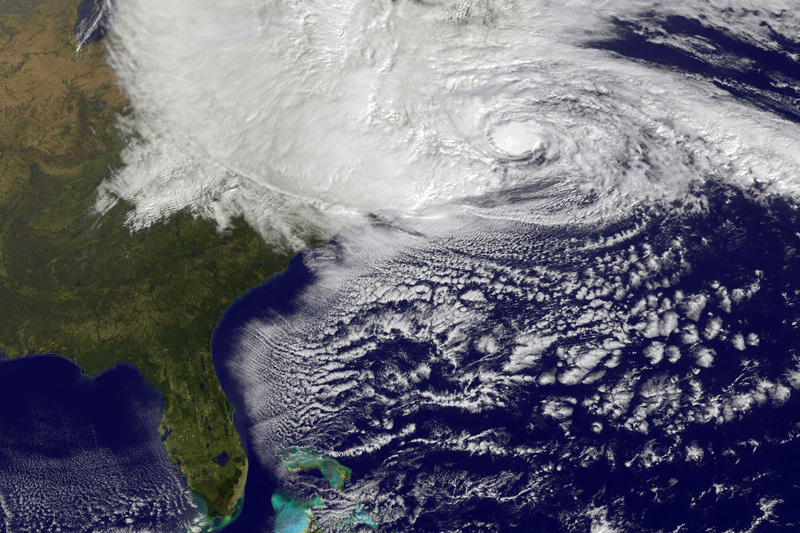 In November of 2012, New Jersey was hit hard by Hurricane Sandy. Places like the Jersey Shore and parts of Long Island, New York were destroyed utterly. Many people in these areas were keeping watch with shotguns while their families slept. There was looting, a National Guard presence, and countless people lived on the brink of a societal collapse. It was literally that bad in many places.
We live about sixty miles inland, and though we did not suffer the ravages that plagued the coast, we were among the last of the towns left standing to get our power back. From the day the storm hit until the day we were “back to normal”, we spent 14 days and nights without power. Like many homes, no power means no TV, no computers, no Internet, and of more importantly in the cold of a New Jersey November, no heat. But that wasn’t the worst of it for us.
We thought that we were prepared, and we were for a few days, after which things changed in unexpected ways. My hope is that someone will benefit from the lessons we learned from this event. There is a lot of information here, so I’ve split the original 6000 word essay up into smaller chunks. An index of these posts appears below. Read More
Hurricane Lessons: Shelter and Warmth
Shelter
Shelter is one of those things that many of us take for granted. You need to be safe from the winds, the rain, the storms, and whatever else nature can throw at you. If 70 mile-per-hour winds knock a tree into your bedroom, you’ve suddenly got a compromised shelter. If your shelter is compromised, take steps to find new shelter, fix what you have, or both. Many survival schools teach students to make a shelter before even starting a fire when lost in the woods. In our case, our house was thankfully unscathed, but there were many people sleeping in church, firehouse, and Red Cross shelters in our state. Don’t be afraid to use such services if you need them.
Warmth
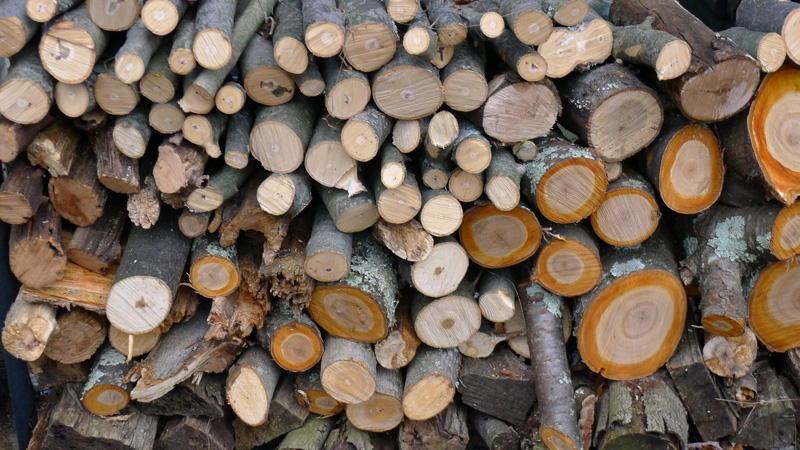 With shelter taken care of, the next immediate need in the winter is warmth. This is one category where I thought we were prepared, and we weren’t. We have a wood-burning insert in our fireplace which keeps almost the entire house warm when the power is out. We had some wood, and I had bought some kiln-dried firewood just in case we ran out. I had figured on a few days without power, and that’s how long the wood lasted. Since we were burning wood on a 24×7 basis, we went through it at an alarming rate. Read More
Hurricane Lessons: Water
Water
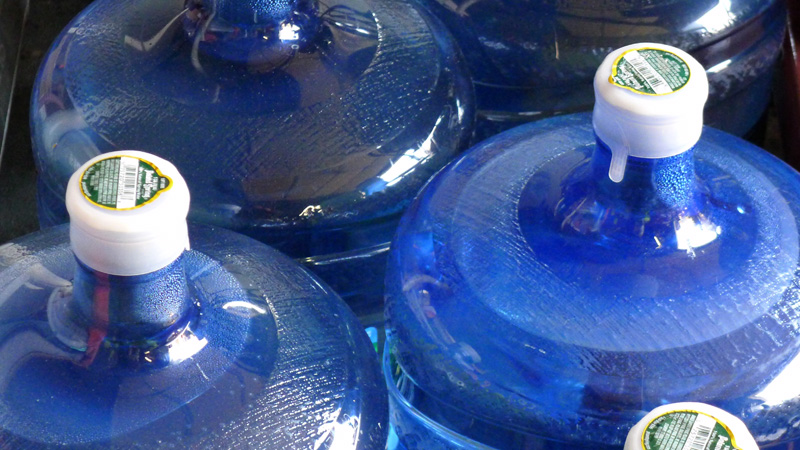 Since we live in a very rural area, we have a well, and the well pump runs on electricity. While many people complained about not having any hot water, like most of our neighbors, we had no water. A lack of hot water means being unable to take a comforting, hot shower. No running water means no flushing toilets.
The average person can survive for about three to five days without water. We have Poland Spring water delivered to our house, and we always have at least four five-gallon jugs of clean, drinkable water available. With four of us and two dogs, in a worst-case scenario of one gallon each per day, we have water for 3.3 days. None of us consumed one gallon per day, especially at the beginning when we still had bottles of other things to drink. We went through about one 5-gallon jug per week, and that included giving the dogs water. Note that we only use this water for drinking, possibly cooking, giving the dogs water, and things like brushing our teeth. The bigger issue by far was the water consumed every time a toilet was flushed. Read More
Hurricane Lessons: Tools
Tools
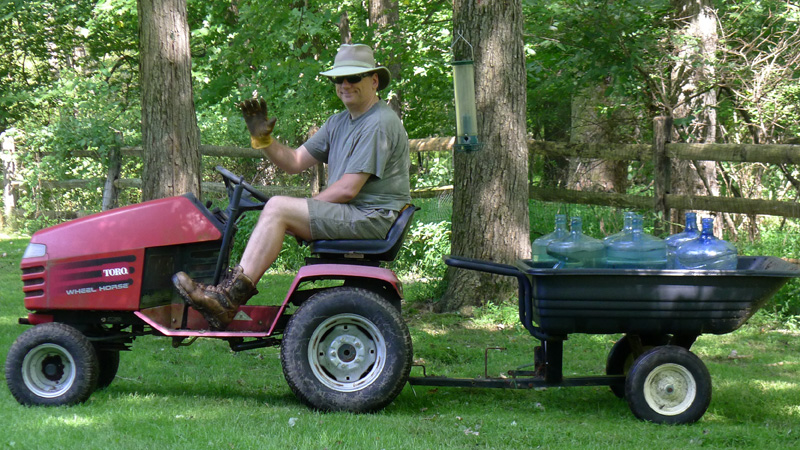 OK, Tools shouldn’t be listed before food, but for us, water has one serious drawback: it’s heavy. At 8.3 pounds per gallon, each of those jugs weighs over 40 pounds when full. Here’s a picture of me hauling four jugs with the tractor last year. Looks like fun right? This time we had prepared the cars for the storm, but I’d totally forgotten about the tractor, so naturally it wouldn’t start when I needed it. Without it, had the firehouse not been available, we would have had to haul water from the woods by hand, in forty pound jugs, in the freezing cold.
Lesson learned: Make sure any power tools you may rely on are operational before the big storm hits. That includes tractors, generators, chainsaws, and anything else you might need. Read More
Hurricane Lessons: Food
Food
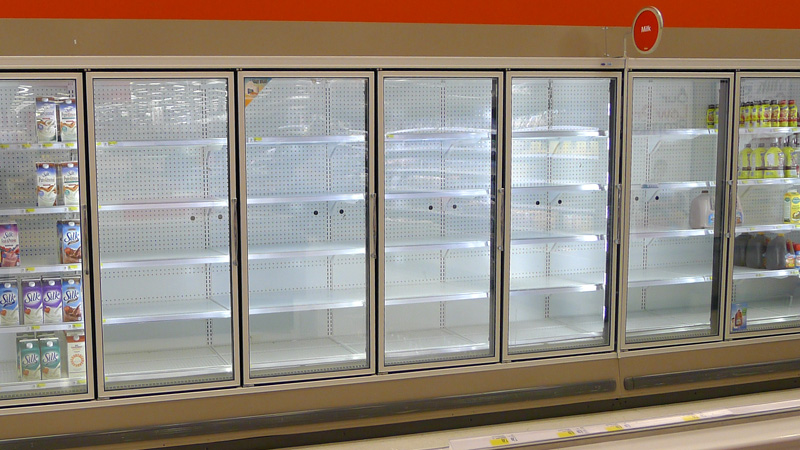 Imagine that you’re at the center of a 100-mile wide circle where there is no power. In other words, there are no stores open for 50 miles in any direction. You can’t just go to the supermarket when they’re all without power. After about 10 days, stores started to open, but the shelves and coolers were largely empty of things like bread and milk.
You can’t go out to eat when no one has power. A couple of enterprising local eateries had thought ahead, stocked their coolers, bought the proper generators, and were able to make pizzas in an otherwise dark world. They made a LOT of pizzas. They even donated many pizzas to the local shelters. That’s great, but pizza every day, three meals a day gets old fast, and it’s not the best source of nutrition, either. Better to stock up before hand. Read More